
New Guide: Protect Your Business from Payroll Leakage & Legal Risk in 2026

Biometric technology has transformed how businesses manage time and attendance. Among these innovations, fingerprint clocking in machines stand out as one of the most accurate and cost-effective ways to track employee hours. From manufacturing plants to care homes, nurseries and logistics hubs, these systems simplify workforce management while ensuring compliance with GDPR.
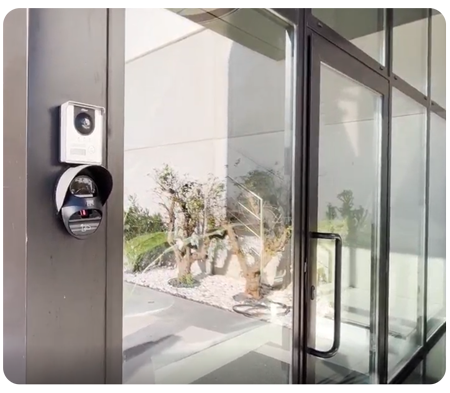 Fingerprint clocking in machines use biometric technology to identify employees based on their unique fingerprint patterns. Unlike traditional swipe cards or PINs, fingerprints cannot be lost, shared or forgotten, making the process far more secure and reliable.
In Almas’ systems each fingerprint is converted into a digital template – not an image – which is stored securely in the system. When an employee clocks in, their fingerprint is scanned and matched against the stored template within seconds. This data is then recorded in the time and attendance software, ensuring accurate records for payroll and compliance.
Explore how Almas Industries’ fingerprint clocking systems can simplify time tracking for your organisation.
Find Out More about Time and Attendance Solutions
 Manufacturing
In busy manufacturing environments where shifts change frequently, fingerprint systems eliminate errors caused by manual entry or misplaced cards. They provide real-time visibility into attendance and lateness, helping managers improve productivity and workforce planning.
 Care Homes and Healthcare
For care homes and healthcare settings, accurate attendance tracking supports compliance with staffing regulations and ensures continuity of care. Staff can clock in quickly, even during shift changes, without relying on shared devices.
 Nurseries and Education
Fingerprint clocking helps nursery managers ensure staff-to-child ratios are always compliant. The audit trail simplifies reporting and allows owners to demonstrate accountability to Ofsted and local authorities. Especially effective when coupled with eyworks nursery management software.
 Logistics and Distribution
In logistics, where operations often run 24/7, fingerprint clocking ensures transparency across multiple shifts and sites. Monitoring breaks also keeps businesses compliant with the Working Time Directive. It provides accurate records for payroll while reducing administrative workload.
 Construction Sites
While fingerprints work well in most environments, construction can pose challenges. Tradespeople may have worn or damaged fingerprints due to manual work. For this reason, facial recognition clocking is often more effective on construction sites, offering contactless verification even with gloves or dirt present.
In our logistics depot, Almas’ system has been a game-changer. Clock-ins are instant, and we’ve gained full visibility of attendance across shifts, Operations Manager in Birmingham.
Looking to streamline shift management in your sector? Get in touch to discuss the best biometric solution for your environment.
The cost of fingerprint clocking systems varies depending on features, the number of users, and integration requirements. Where you need the readers locating and of course, how many. Software and support are important to factor in.
Almas Industries usually work on a monthly basis which includes all costs and support perfect for business leaders peace of mind.
When assessing cost, businesses should consider the return on investment:
Most businesses see a return within months due to the significant time saved in manual administration.
Request a tailored quote from Almas Industries and find out how quickly you can achieve ROI with a fingerprint clocking system.
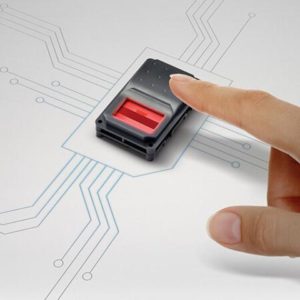 Almas Industries’ fingerprint readers are extremely reliable, with verification success rates above 99.5%. Our readers use MorphoSmartTM advanced optical sensors (the best kind!) using the No.1 algorithm in the world from Idemia which is consistently top ranked by the National Institute of Standards and Technology (NIST).
With liveness detection only real fingerprints are accepted – not replicas or photos. Anti-vandal technology promotes greater security.
These systems are designed to work even with slightly dirty or damp fingers, making them suitable for most workplaces. However, for environments with high dust, grime or abrasion (such as construction), facial recognition remains the preferred alternative.
Almas Industries’ biometric systems are used by thousands of organisations across Europe, trusted for their reliability and compliance.
Fingerprint data is considered biometric personal data under the GDPR and UK GDPR, meaning strict controls apply to its collection and processing. However, fingerprint clocking systems are perfectly legal when implemented correctly.
Key compliance points include: – Collecting explicit employee consent – Storing only encrypted fingerprint templates, not raw images – Restricting data access to authorised personnel – Using the data solely for attendance purposes
Almas Industries ensures all biometric solutions, as sold, are fully GDPR-compliant and meet European data protection standards. We support all our customers with comms, templates and procedures to ensure compliance.
Concerned about GDPR compliance? Speak to our expert team to ensure your biometric system is implemented securely and lawfully.
☎️ Book a discovery call with Kirsten
Launching a new fingerprint clocking system is straightforward when planned correctly. Success depends on great communication and carefully scoped configuration.
Steps to follow:
Almas Industries provides end-to-end support, from scoping to installation to staff training and ongoing maintenance. Read our blog on 8 Steps to the Best Clocking In Machine for My Business for more detail.
While fingerprint technology is still the most widely adopted and trusted biometric solution, other options may be more suitable for certain environments:
 Facial recognition: Ideal for construction, healthcare or food manufacturing where hygiene or contactless operation is essential.
 PIN or card-based systems: Cost-effective for smaller teams but more prone to misuse.
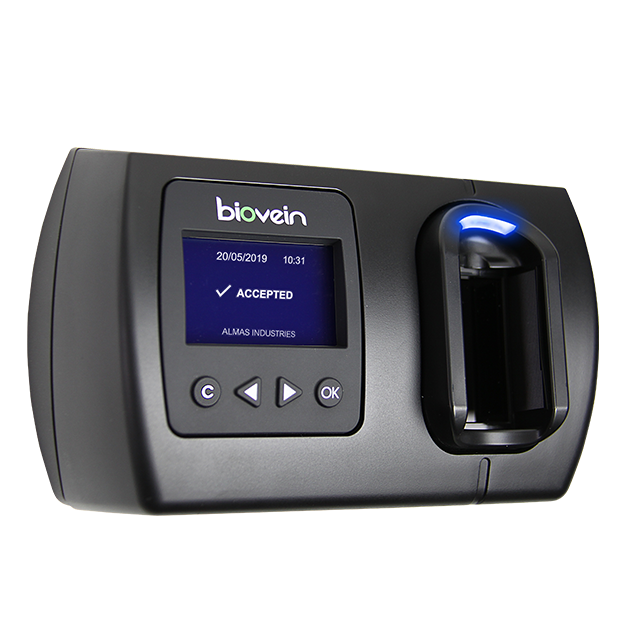 Palm or vein recognition: Offers high accuracy with minimal hygiene concerns, though less common due to higher cost.
Not sure which system suits your workforce? Book a free consultation with Almas Industries and receive expert advice tailored to your sector.
As businesses move towards digital transformation, biometric clocking will continue to evolve. Integration with AI-driven analytics and cloud-based dashboards will enhance workforce visibility and security. Fingerprint systems will also benefit from improved liveness detection and faster processing speeds.
Almas Industries continues to lead innovation in biometric technology, providing reliable, GDPR-compliant solutions that help businesses across Europe save time, strengthen security and streamline operations.
With over 20 years’ experience in biometric access and time management systems, Almas Industries delivers proven, future-ready solutions trusted by thousands of organisations.
View our full range of time and attendance readers and software solutions:

Fingerprint clocking in machines offer a simple, secure and efficient way to manage employee attendance across industries. Whether you operate a care home, manufacturing plant, nursery or logistics centre, these systems reduce costs, eliminate errors and improve transparency.